When I was fourteen years old, one of my friends who had a personal computer told me about something called a “google”. I had no idea what he was talking about, so I asked. He explained that it’s a thing on his computer where you can look up anything. ANYTHING?! I asked. “Yes, as long as it’s on the world wide web.” he said. Now, looking something up on a search engine is something I often do before even using my own mental faculties to ponder if I have the information already in my head. While handy, information on the web or anywhere needs context. We need a point of reference. Facts, which Merriam Webster’s online dictionary says are “a piece of information presented as having objective reality” (Webster, 2021). Facts are useful anchors of information when deducing Insights. For example if we are setting a sound system up for a large concert, and we don’t want the music to echo out of the speakers that are furthest away, we need to take into account that in our environment (in air), sound travels at 1,130 feet per second. So a speaker half that distance (665 ft) from the stage and main speakers would need a half second delay to avoid creating an echo for the listeners. I’m not a professional sound engineer, but understanding the fact about what speed sound travels, and the fact that the further set of speakers is 665 feet from the stage, gives me an insight into how much of a delay the far speakers will need so the concert sounds great.
Facts can help us construct ideas about how to solve problems in design too. When I have a client that wants a powerful and exciting logo for their sportswear brand, I can use some facts to construct powerful insights into what logo may work best for them – provided I’ve asked many open ended questions and taken a sincere interest in the client’s project. Knowing that the color red can be eye catching, dramatic, and powerful, I would consider this a major color choice. If the client said their primary customer is a rock climber, I may also consider shapes that resemble famous rocks that climbers are familiar with. But I also know that a good logo is quickly recognizable, so I wouldn’t create a detailed drawing of rocks or a mountain, only simple trapezoids that narrow at the top, but maybe have an angle to indicate a natural form. This may suddenly change when the client mentions they sell almost exclusively to climbers in a region of Arizona where the rocks or more like layered stacks of oval like boulders. These climbers would assume that this logo was for a company that serves climbers near mountains, perhaps in the Colorado Rocky Mountains.
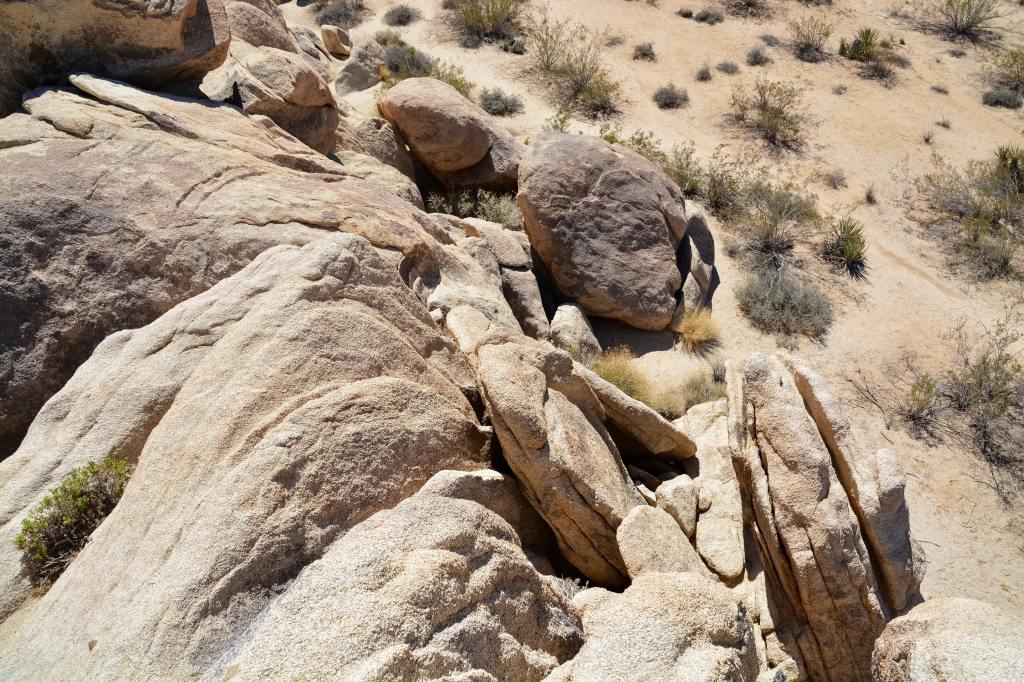
Insights are like a puzzle, the pieces of which are made up of information – the most important of which are usually facts because we know they are true. Some other aspects of insights are emotion based pieces of information which can be a fact in context. An example would be “The client thinks green is the best color for their climbing sportswear brand”. This is a fact because it’s true that the client thinks this if they said they do, but now insights step in, and we point out to the client that their customers are in Arizona and climb boulders in the desert, so their are few green objects, so maybe red or dark orange would be better?

Combining facts to gain insights is a powerful problem solving tool for most occasions. How do you gain insights into your customer’s needs?
Let me know in the comments.
Cheers,
Daniel
References:
https://www.merriam-webster.com/dictionary/fact
 Daniel Rider